Why fund this project?
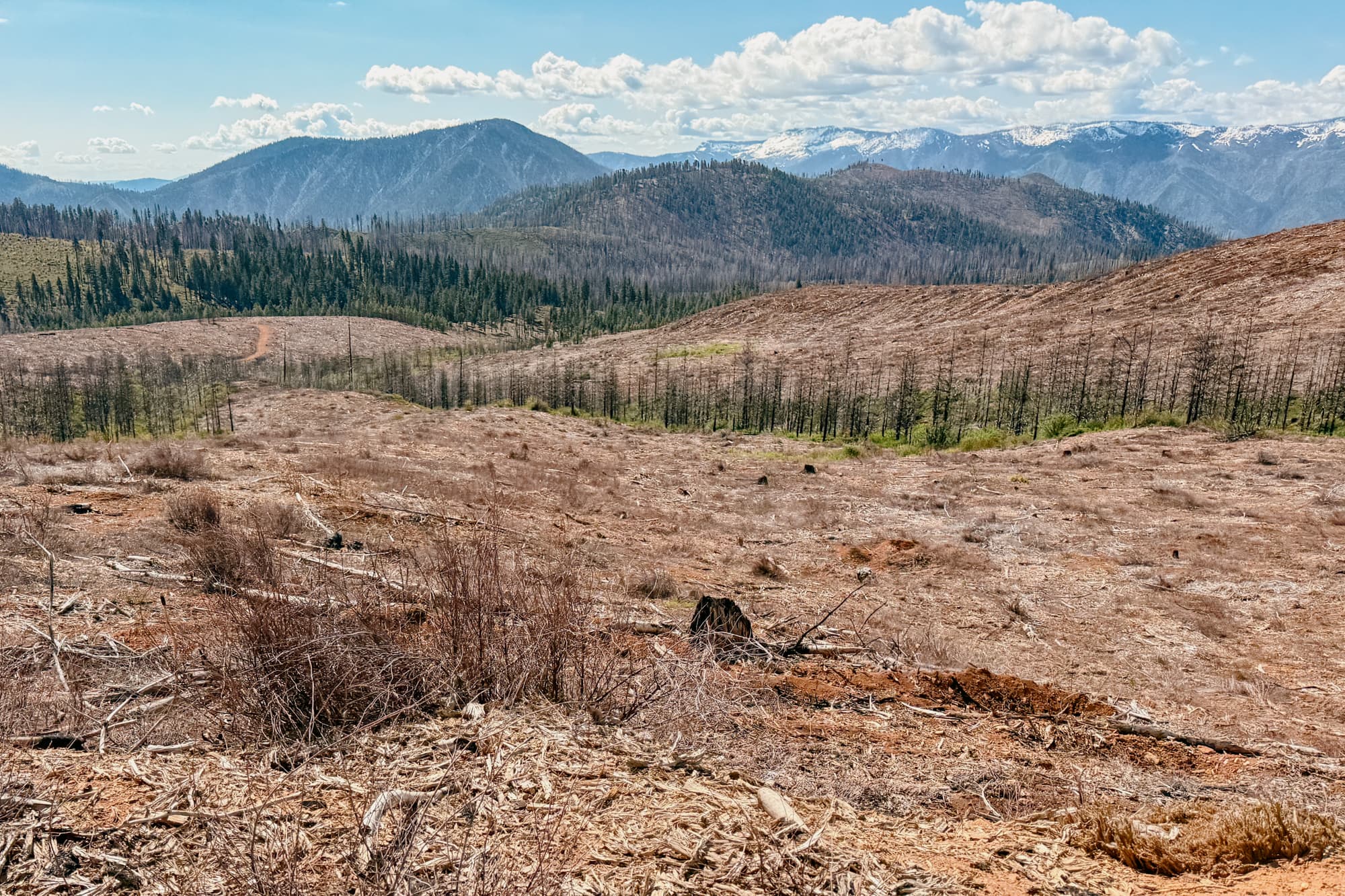
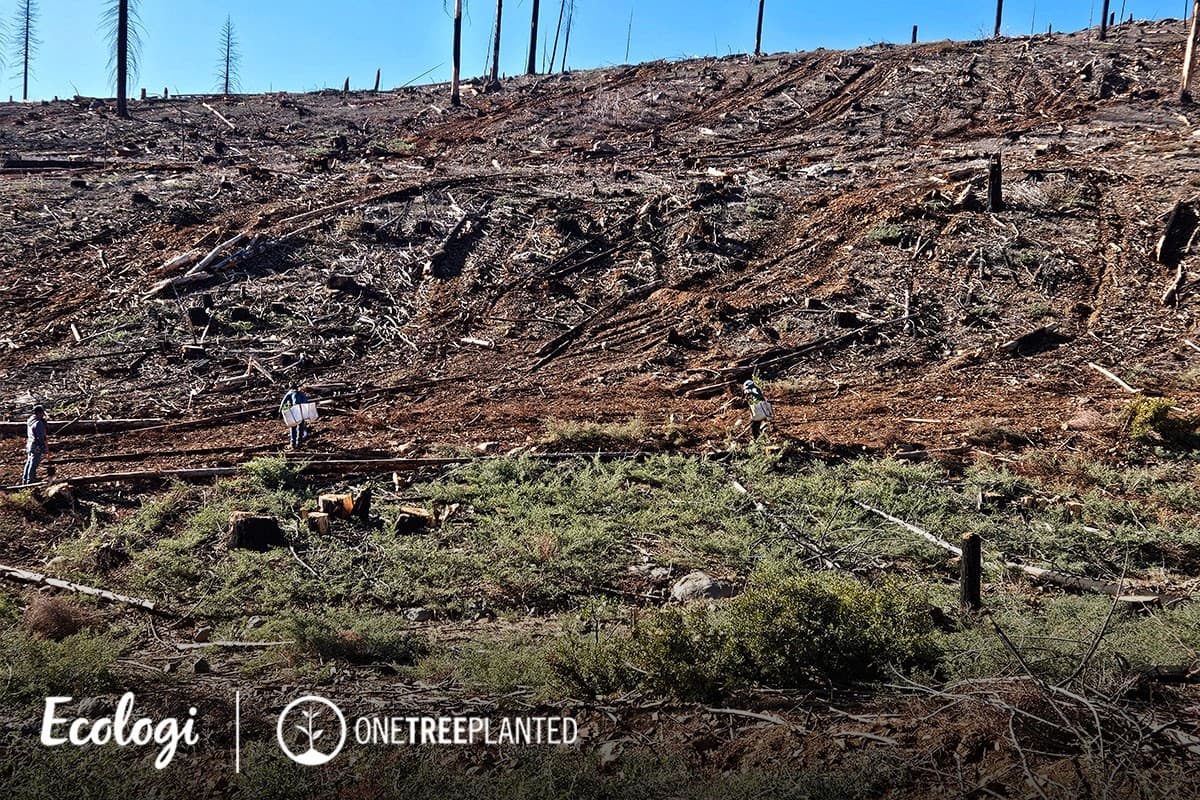
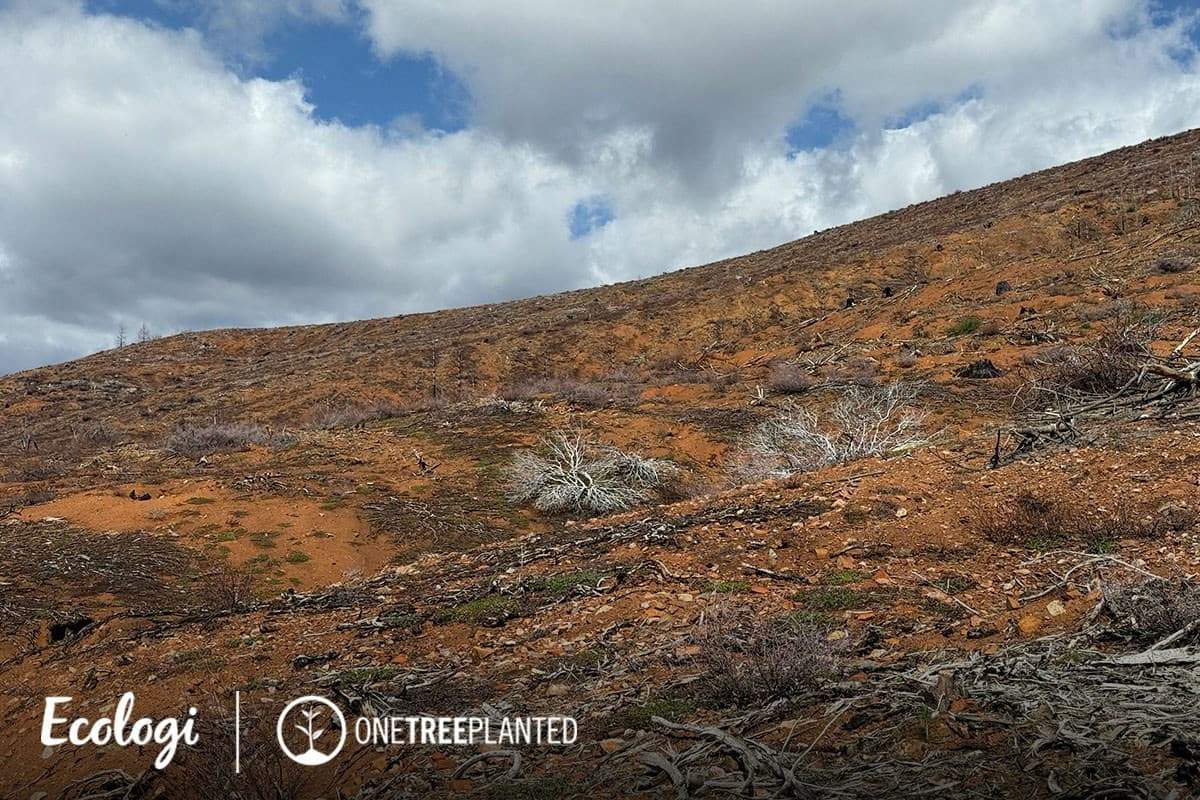
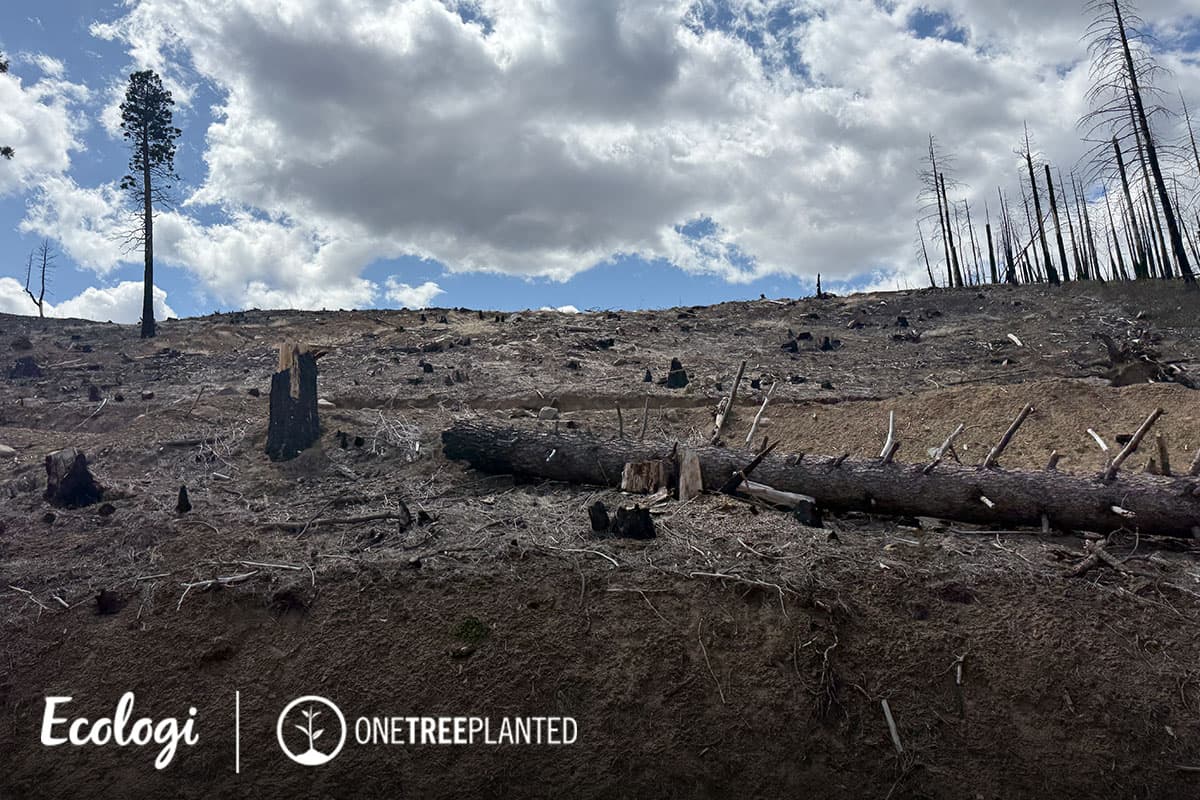
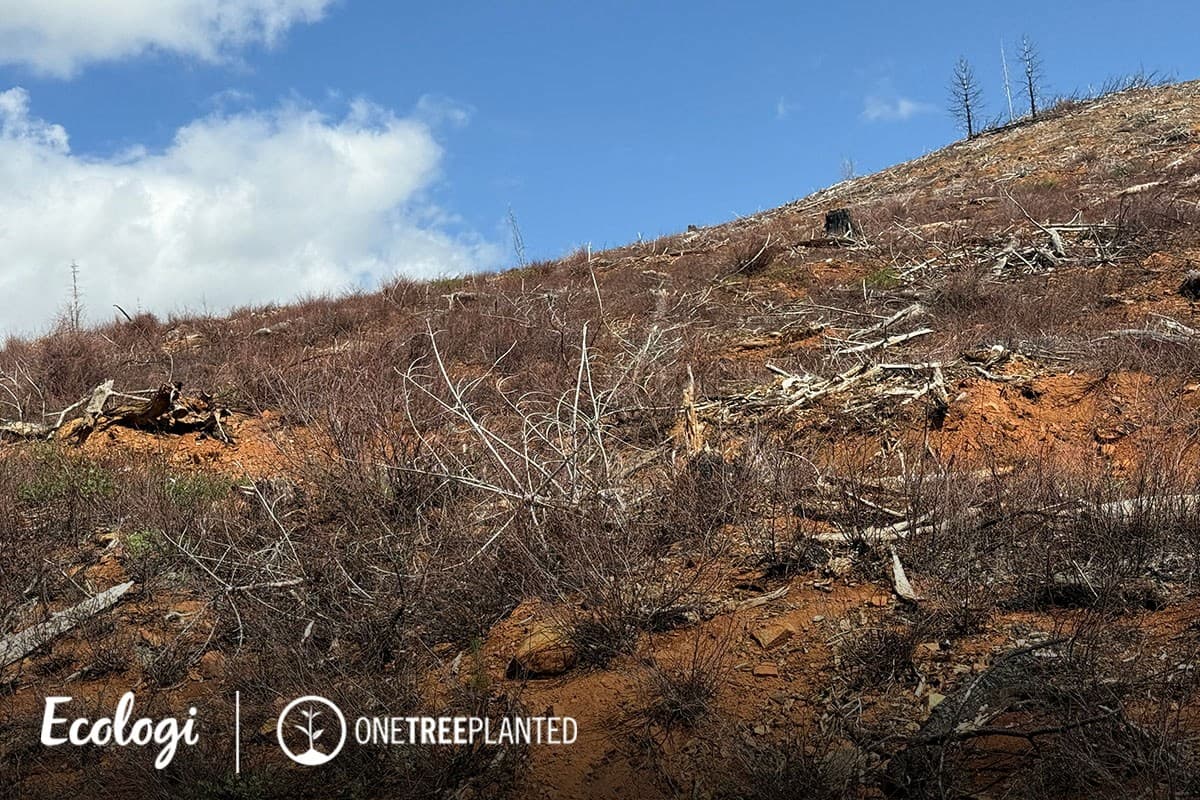
Recovering after a high-severity wildfire is challenging. Without timely intervention, burned landscapes risk long-term conversion to brush fields, increased erosion, degraded watersheds, and heightened future wildfire risk.
Restoring forest cover will improve habitat connectivity and complexity across the landscape, benefiting a broad suite of wildlife species, including birds, mammals, and pollinators. Over time, developing canopy layers, snags, and understory vegetation will provide nesting sites, forage, and shelter, supporting species richness and population stability. Diverse, climate adapted forest communities that support a wide range of plant and animal species will become established, while reducing the risk of long-term habitat conversion to shrublands.
A notable ecological benefit of this project is the restoration of habitat within the range of gray wolves, a keystone apex predator that has recently recolonized California after more than a century of absence. Healthy, connected forest ecosystems are essential to supporting wolves and the trophic interactions they influence, contributing to broader ecosystem balance.
The project will also deliver important ecosystem services that support biodiversity beyond the project boundaries. Site stabilization and erosion control across priority slopes and drainages will reduce sedimentation into streams, protecting aquatic habitats and downstream water quality. Healthy forest regeneration will improve hydrologic function, regulate microclimates, and increase long-term carbon sequestration, contributing to regional climate mitigation.
Soil health will improve as vegetation establishes, increasing organic matter, microbial activity, and nutrient cycling while reducing surface compaction and erosion. These improvements support long-term forest productivity and resilience to future disturbances. By reducing invasive species pressure and restoring native plant communities, the project further strengthens ecosystem function and resistance to degradation.