Carbon avoidance

The Kulera Landscape REDD+ Program
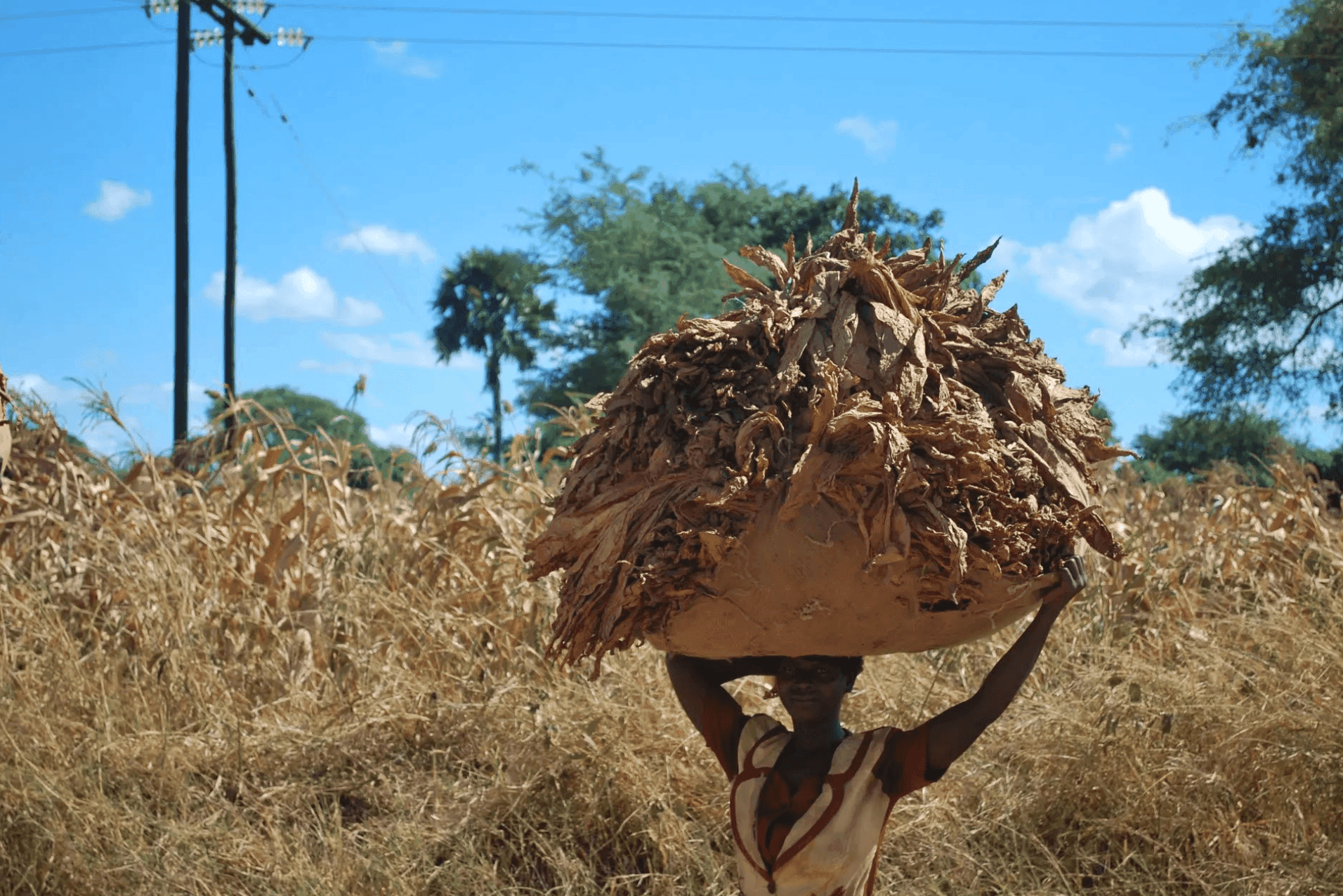
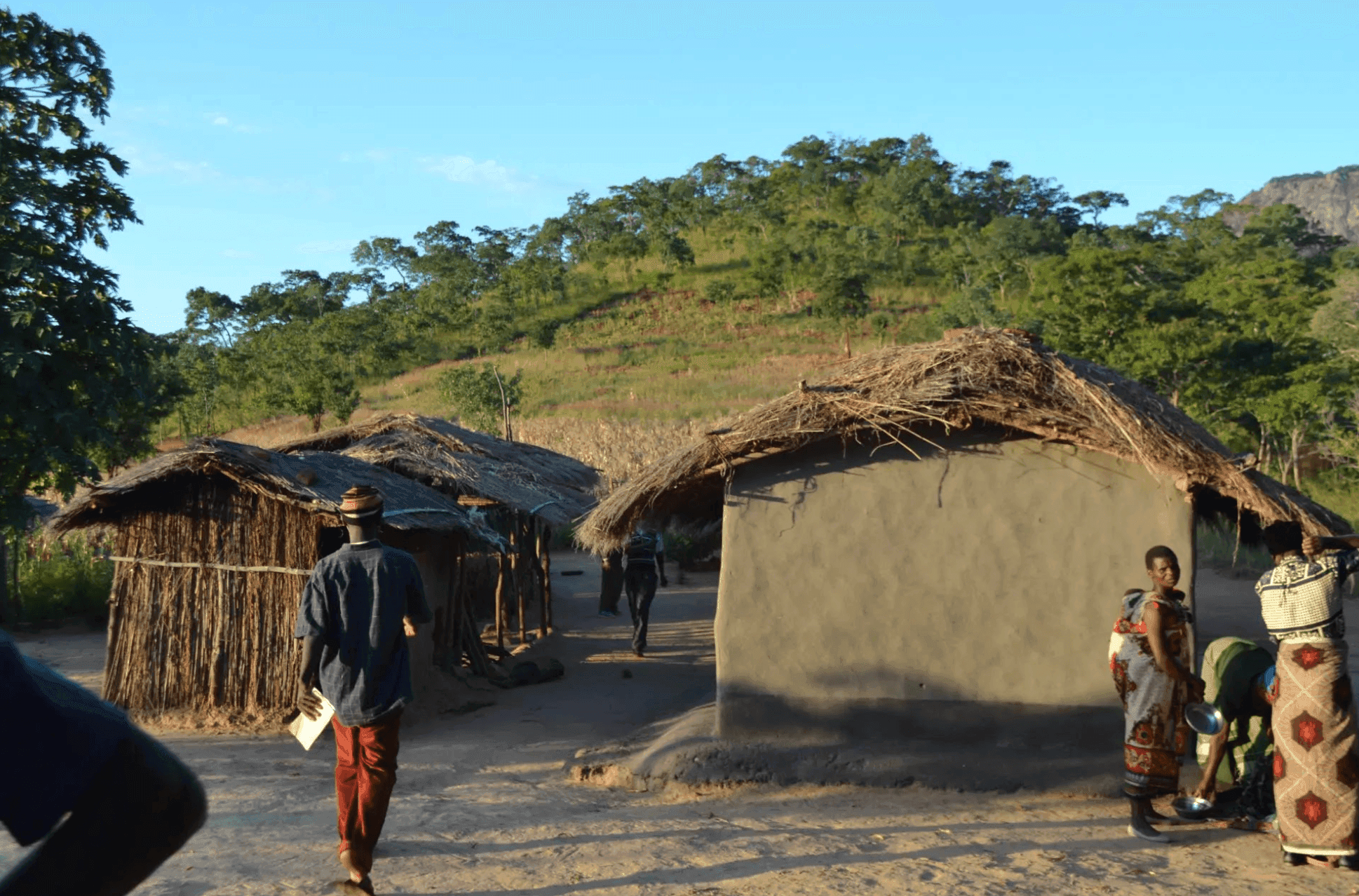
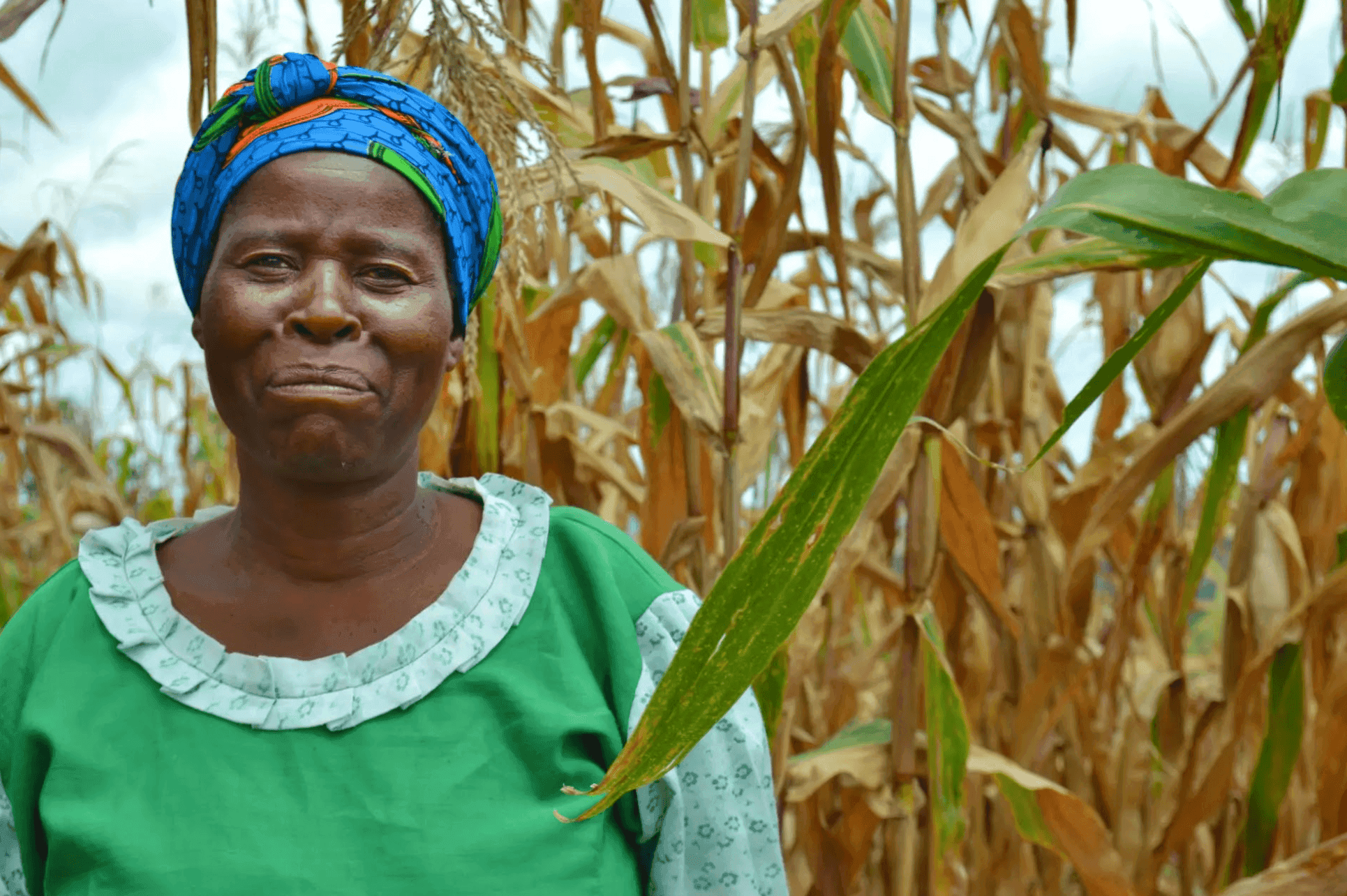
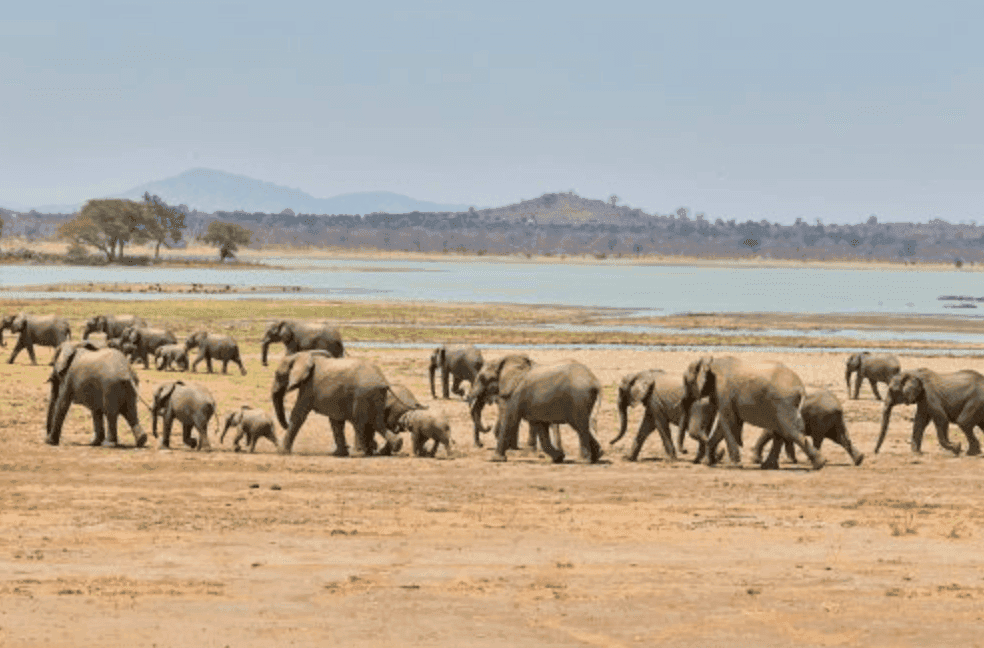
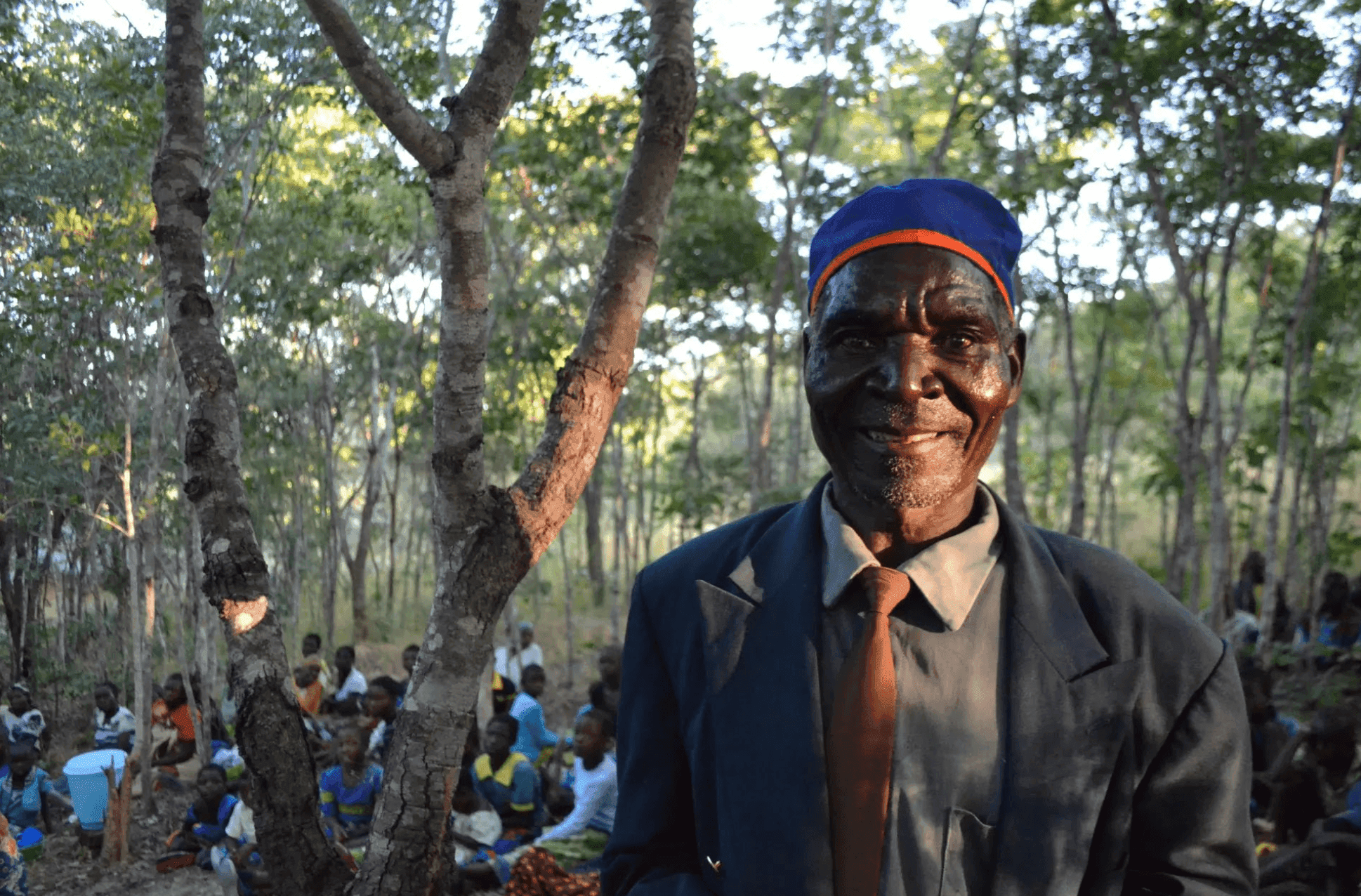
The Kulera Landscape REDD+ Program (VCS 1168) for Co-Managed Protected Areas in Malawi provides critical resources for communities to protect their forests through improved climate-smart agriculture and sustainable land use, planned by the communities themselves. Malawi is one of the poorest countries in the world, and a landscape-based REDD+ approach that works directly through a community association is the most dependable path for conservation-based sustainable development. The REDD program areas are located in a five-kilometre zone inside the boundaries of three key protected areas in central and northern Malawi: Nyika National Park, Vwaza Wildlife Reserve, and Nkhotakota Wildlife Reserve. These parks are under increasing pressure of encroachment from local populations, which has exacerbated deforestation and forest degradation rates along the borders of the protected zones. The overall goals of the Kulera Landscape REDD+ Program are to reduce deforestation and degradation in these selected protected areas and to improve livelihoods by managing natural resources as an asset base to capture long-term economic benefits. The project proponents are the Department of National Parks and Wildlife (DNPW), the Nyika-Vwaza Association (NVA), the Nkhotakota Wildlife Reserve Association (NAWIRA), and Terra, who work with the communities in the border zone of the protected areas. The project is now selling VERs to continually fund conservation efforts in conjunction with livelihood improvements for successful climate, community and biodiversity benefits in a win, win, win situation.
Benefits

Kulera reduces greenhouse gas emissions by avoiding deforestation and forest degradation across a large landscape, delivering verified emission reductions under the VCS standard and CCB-approved social and biodiversity benefits. The project is highly additional: without carbon revenue, conservation activities would likely not be funded, and deforestation would continue. While risks exist, such as fire, monitoring uncertainty in dry forests, and debates over leakage, the project has demonstrably slowed forest loss compared to baseline scenarios and channels carbon finance into long-term forest stewardship. 

Benefits

Kulera reduces greenhouse gas emissions by avoiding deforestation and forest degradation across a large landscape, delivering verified emission reductions under the VCS standard and CCB-approved social and biodiversity benefits. The project is highly additional: without carbon revenue, conservation activities would likely not be funded, and deforestation would continue. While risks exist, such as fire, monitoring uncertainty in dry forests, and debates over leakage, the project has demonstrably slowed forest loss compared to baseline scenarios and channels carbon finance into long-term forest stewardship. 

Benefits

Kulera reduces greenhouse gas emissions by avoiding deforestation and forest degradation across a large landscape, delivering verified emission reductions under the VCS standard and CCB-approved social and biodiversity benefits. The project is highly additional: without carbon revenue, conservation activities would likely not be funded, and deforestation would continue. While risks exist, such as fire, monitoring uncertainty in dry forests, and debates over leakage, the project has demonstrably slowed forest loss compared to baseline scenarios and channels carbon finance into long-term forest stewardship. 

Reducing fuelwood and smoke pollution. The project has also produced 2,500 solar power systems to households surrounding the PA.

The project has provided training and employment to 68,000 men and 52,000 women. Increased revenue for tour guides and communities involved in eco-tourism. These activities provide economic support to local communities, indicating a strong impact on the SDG.

Kulera reduces greenhouse gas emissions by avoiding deforestation and forest degradation across a large landscape, delivering verified emission reductions under the VCS standard and CCB-approved social and biodiversity benefits.

About

Status

Status:

Status:

Live

Supported since

Supported since:

Supported since:

2026

Type of project

Type of project:

Type of project:

REDD+

SDGs supported

SDGs supported:

SDGs supported:

7

8

13

Fund this project

This project is supported in our REDD+ in the impact shop.

Impact partner

Terra Global Capital

Terra Global Capital

Verifications

Verification: Verified Carbon Standard and Climate, Community and Biodiversity Standard